

Moving an arthritic joint hurts. This unavoidable fact can make it seem like physical therapy could be painful and counterproductive, a possibility that keeps many people from getting the help they need. While it’s true that physical therapy can’t cure arthritis or reverse existing joint damage, it can be very effective in helping reduce pain and stiffness.
Regular exercise helps you maintain strength, flexibility, and mobility, which not only reduces pain and stiffness but also plays a role in improving balance and preventing falls, as well as reducing stress and anxiety. It may even help you get better sleep at night. This is where a physical therapist can play a vital role, evaluating your specific condition and developing an exercise program tailored to your specific needs. This is why the National Institute of Arthritis and Muskuloskeletal and Skin Diseases recommends seeing a physical therapist about a “safe, well-rounded exercise program”1.
How Can Physical Therapy Help Arthritis?
Again, physical therapy isn’t going to make your arthritis go away or reverse any of the damage already done, but it doesn’t have to change the joint itself to change what you’re able to do with it. The pain and stiffness associated with arthritis often lead people to move less, which can lead to more restriction and less mobility. A common phrase in some physical therapy circles states that “movement is medicine”, and it’s not just a clever phrase; it’s something that PTs see play out in real life daily. When you see a physical therapist about your arthritis, you can expect them to develop a program that will help you:
- Improve joint mobility and reduce stiffness
PTs have several techniques they can use to optimize your joint mobility, including range-of-motion exercises, stretching where appropriate, hands-on techniques when useful, and the ability to regularly evaluate and progress your mobility work so you continuously improve. The Arthritis Foundation identifies “improving mobility and restoring the use of affected joints” as one of the primary goals of PT for arthritis2. - Strengthen the muscles that support the joint
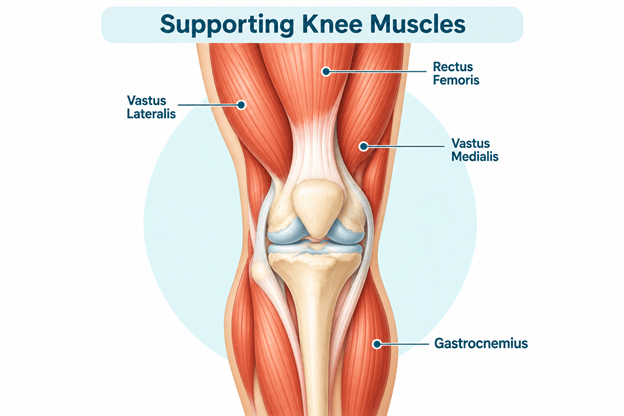
Your joints don’t operate independently. Muscles that surround your knees, hips, shoulders and other joints play an important role in controlling movement and managing loads. Strengthening these muscles can significantly reduce the amount of stress placed on your joints when you move. This can make movement easier and less painful.
- Improve balance and confidence in movement
This can be especially important for older patients with hip, knee, or ankle limitations. Pain and stiffness can change the way we walk and move, and often leads to people avoiding activity altogether. Physical therapy may incorporate balance exercises, lower-body strengthening, gait training, and functional movement practice to improve your balance and help you move more comfortably and confidently. This also reduces the risk of injury from falls.
These are a few of the many benefits arthritis sufferers can expect from a physical therapy program. One of the main benefits is the personal attention and guidance you’ll receive from your therapist. Learning how to exercise without aggravating your sore joints can be a challenge. This is where the personalized treatment from a skilled PT can be invaluable. Your PT can also help you find other ways to stay active safely in your daily life and will continually evaluate and adapt your program as you progress.
What Physical Therapy Can’t Do for Arthritis
While physical therapy is highly recommended as a safe and effective means of treating arthritis symptoms, it’s important to understand its limitations. Here are some examples of what you should not expect from physical therapy:
Physical Therapy can’t “cure” arthritis.
For osteoarthritis, PT can help reduce pain and stiffness and improve strength and mobility, but it doesn’t restore the joint to a pre-arthritis state.
Physical Therapy can’t regrow lost cartilage.
Exercise can have a huge impact on your strength, mobility, and overall function, but it can’t cause damaged cartilage to magically regenerate.
Physical Therapy can’t replace necessary medical treatment.
While PT can be a great way to improve movement and function, it isn’t a substitute for disease-modifying treatment prescribed by an appropriate physician.
Physical Therapy can’t guarantee you’ll never need surgery.
For many people, conservative management works extremely well, and PT may help some people avoid surgery. For others with advanced disease and substantial functional limitations, joint replacement or another procedure may eventually be appropriate.
The great benefit of physical therapy is that it provides a safe and effective treatment option that may help some people avoid the risk of surgery or pain medication. This is why an organization like the American College of Rheumatology recommends physical therapy for the treatment of arthritis and other rheumatic diseases3.
Physical therapy can be a fantastic alternative for many people and can also play an important role alongside other medical interventions like surgery or medication. It’s important to recognize, though, that there are situations where additional medical treatment will be appropriate.
If Physical Therapy Right for You?
If you or a loved one is suffering from arthritis, finding a safe and effective treatment option is very important. The type of treatment that will work best for you depends on several different factors, including:
- The type of arthritis
- Joint(s) involved
- Severity
- Current activity level
- Other health considerations
- Personal goals
If you want to know whether physical therapy is a good choice for you, the questions isn’t “Can physical therapy cure my arthritis?” The question should be more like “Can I become stronger, move better, hurt less, or get back to activities that arthritis taken away from me?” If these are realistic goals. Physical therapy may be an excellent fit.
The best way to know for sure is to see a local physical therapist for an evaluation. An experienced therapist will be able to evaluate the type and severity of your arthritis, your personal goals, and any other health considerations, and let you know what physical therapy may or may not be able to do for you. In many cases, it can be life-changing, and you should give it serious consideration.
Strive! Physical Therapy Centers has been helping our friends and neighbors in Ocala overcome the limitations of arthritis for more than 40 years, and if you are near one of our clinics, one of our skilled and compassionate therapists would be happy to provide you with a professional evaluation. Call us at 352.690.7777 or email us to schedule a consultation.
Frequently Asked Questions
No. PT doesn’t eliminate arthritis, but it can often improve pain, mobility, strength and function.
Yes. Exercise and physical therapy are widely recommended conservative treatments for osteoarthritis.
Potentially, yes. PT cannot restore lost cartilage, but the amount of structural joint damage doesn’t automatically determine how much improvement in strength, movement and function is possible.
Appropriately prescribed exercise is generally beneficial rather than harmful for osteoarthritis
Sometimes conservative treatment can delay or avoid surgery, but PT can’t guarantee that someone will never need a joint replacement.
Sources
- Garrick, Nancy. “Osteoarthritis.” National Institute of Arthritis and Musculoskeletal and Skin Diseases, Sept. 2023, https://www.niams.nih.gov/health-topics/osteoarthritis/diagnosis-treatment-and-steps-to-take.
- Arthritis Foundation. “Physical Therapy for Arthritis | Arthritis Foundation.” Www.Arthritis.Org, https://www.arthritis.org/health-wellness/treatment/complementary-therapies/physical-therapies/physical-therapy-for-arthritis. Accessed 8 Sept. 2026.
- American College of Rheumatology. “Physical Therapist.” Rheumatology.Org, https://rheumatology.org/physical-therapist. Accessed 8 Sept. 2026.